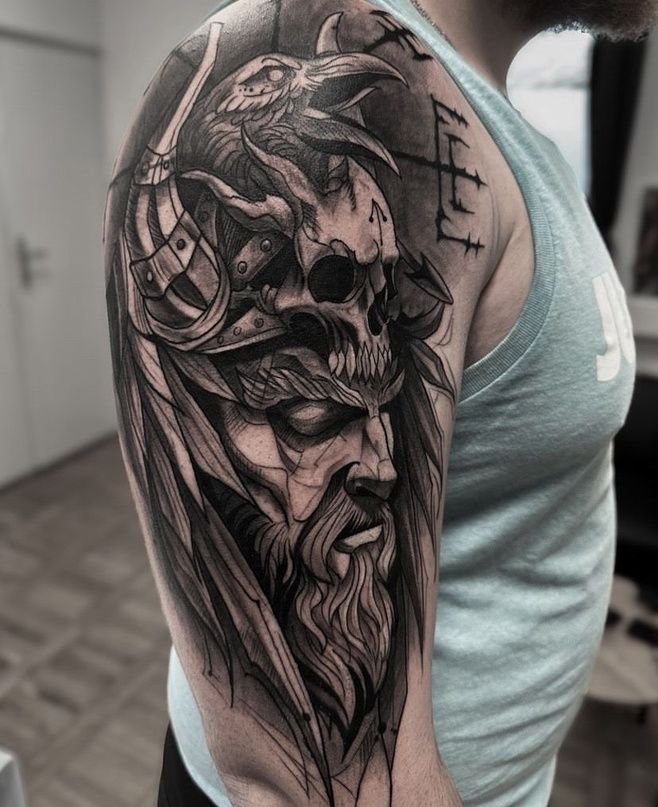
Finger number tattoos have quietly become one of the most requested tattoo styles for people who want something personal without going big. A single number, tucked between the knuckle and the first joint, can carry a lifetime of meaning. It might mark a birthday, a wedding date, a lucky number, or an angel number that keeps showing up at just the right moments.
Part of the appeal is how versatile finger number tattoos are. They work for both men and women, they suit almost any hand shape, and they can be as simple as a single digit or as detailed as a full birth date. For anyone exploring the wider world of hand ink, this piece pairs well with a broader look at finger tattoos for women, which covers styles beyond just numbers.
Numbers also travel well across cultures and beliefs. A date might mean something religious to one person and something purely sentimental to another, yet both end up choosing the same simple format on the same small canvas. That flexibility is a big reason finger number tattoos keep showing up on Pinterest boards and tattoo shop walls alike.
This guide walks through thirteen finger number tattoo ideas, along with the meaning behind each one, styling suggestions, and the best placement for every design. By the end, choosing a number that fits a personal story should feel a lot easier.
1. Minimalist Single Number Tattoo
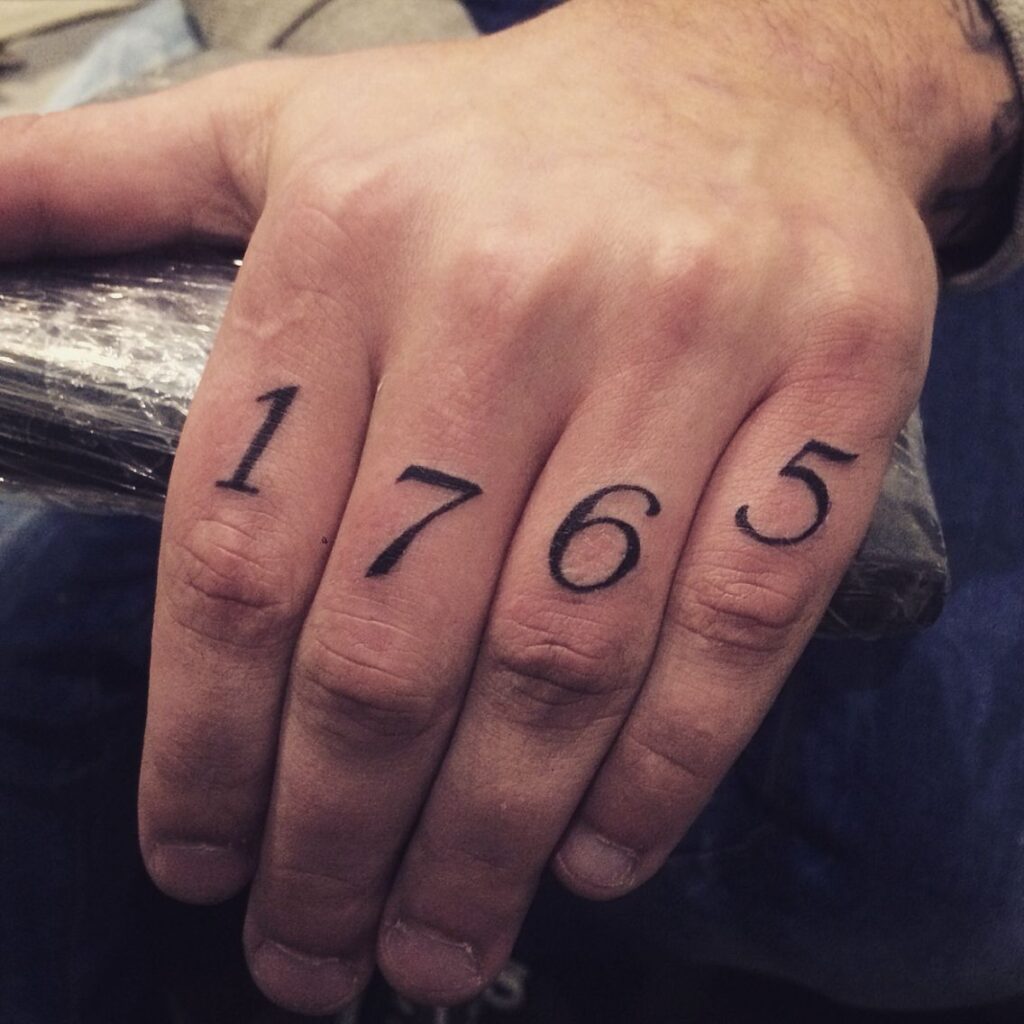
A single digit is the simplest way to wear a number that matters. It could be a lucky number, a jersey number from childhood sports, or a figure tied to a personal belief. The beauty of this design lies in how little it needs to say a lot.
Symbolically, a lone number often represents focus or a single defining moment in someone’s life. It is the tattoo equivalent of a keepsake kept in a pocket rather than on display. Because it uses so little space, it also heals faster than larger finger pieces.
The best placement for a minimalist number is the side of the finger or just below the first knuckle. This spot keeps the design visible during everyday hand movement without demanding too much attention. It suits people who prefer subtle tattoos that still hold private significance.
This style also works well as a first tattoo for anyone nervous about the process. The small size means shorter sessions, lower cost, and an easier decision if it turns out to be the first of many hand tattoos.
2. Roman Numeral Finger Tattoo
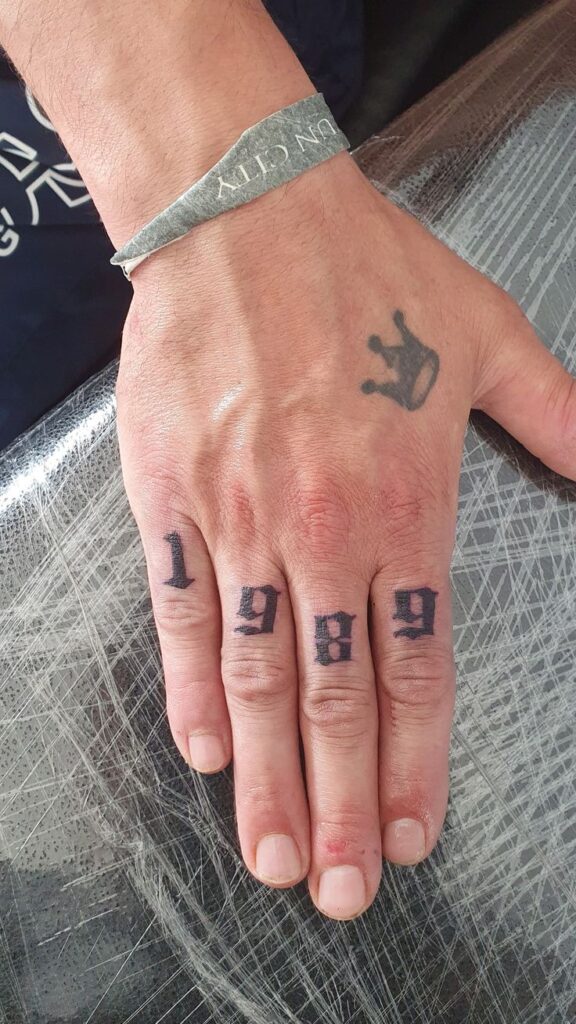
Roman numerals turn an ordinary number into something that looks more like a symbol than a digit. They are a popular pick for birth years, anniversaries, or ages that marked a turning point. The clean lines of Roman numerals also translate beautifully onto narrow finger skin.
This style carries a timeless, classic feel, often associated with strength, history, and permanence. Many people choose Roman numerals specifically because they photograph well and age gracefully compared to standard numerals.
For styling, thin serif-style strokes work best on fingers since they keep the numeral legible even at a small size. Placing it along the inner or outer side of the finger, running vertically, is a common and flattering choice.
One thing to keep in mind is legibility over time. Roman numerals with several strokes close together, such as VIII, can blur as ink settles, so many artists suggest slightly wider spacing between each line for finger placements.
3. Birth Year Tattoo
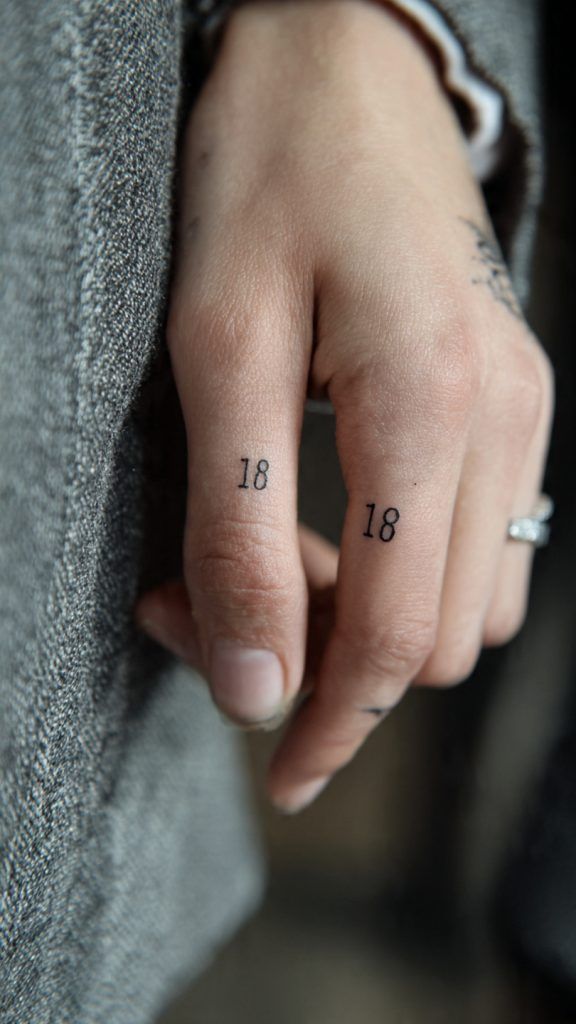
A birth year tattoo is a straightforward way to honor the year someone was born, or the year a loved one entered the world. It is a favorite among parents who want a quiet nod to their children without spelling out a full birth date.
The meaning here is rooted in identity and origin. It can also represent a rebirth of sorts, marking the start of a new chapter such as sobriety, a fresh career, or moving to a new country.
Birth year tattoos look sharp in either standard numerals or a slim script font. Wrapping the digits around the finger, rather than placing them in a straight line, is a popular styling choice that adds a bit of movement to the design.
Some people shorten the year to its last two digits to save space, while others keep all four for clarity. Either version works, though the full year tends to age better since it leaves less room for misreading.
4. Angel Number 111 Tattoo
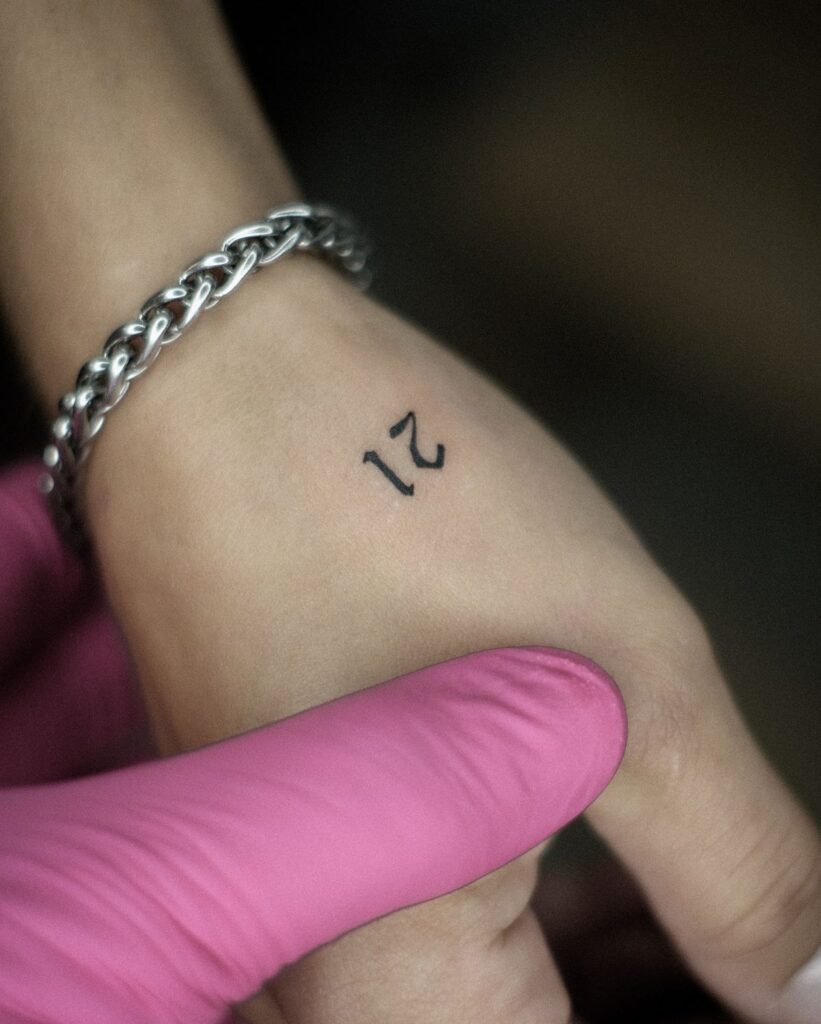
The number 111 is widely associated with new beginnings, manifestation, and alignment with one’s goals. People who repeatedly notice this number on clocks, receipts, or license plates often choose to get it tattooed as a personal reminder.
Spiritually, 111 is thought to signal that thoughts are turning into reality, making it a popular choice for anyone starting a new business, relationship, or personal journey. The tattoo often works as a quiet nudge to stay positive and intentional.
A fine, evenly spaced 111 across three fingers or stacked on one finger both work well. Thin linework keeps the numbers looking crisp rather than crowded.
Some people prefer spreading the three ones across three separate fingers instead of stacking them on one. This variation turns a single tattoo into a small set, which reads as a matching trio whenever the hand is at rest.
5. Angel Number 222 Tattoo
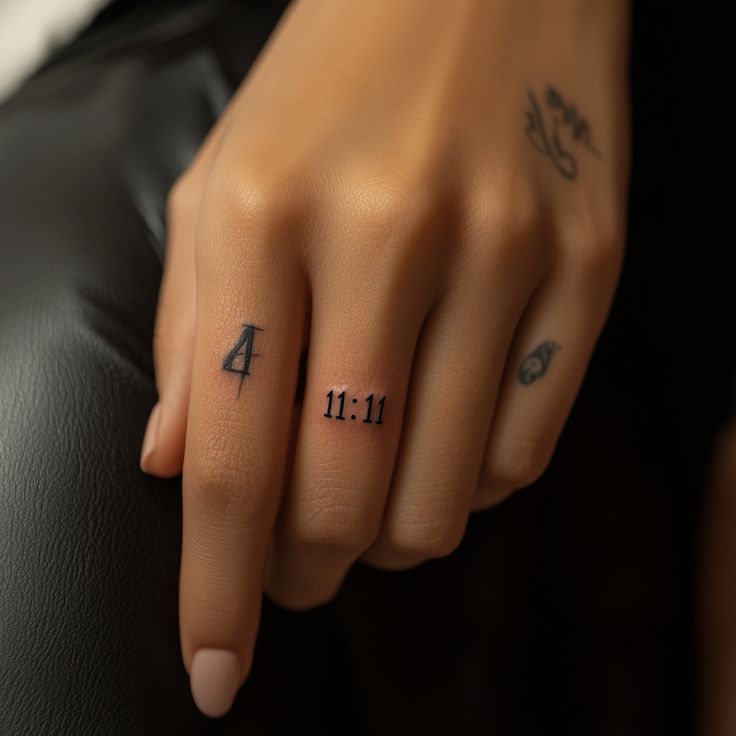
222 is often linked to balance, harmony, and trust in the process of life. Many people get this number after a period of uncertainty, using it as a symbol of patience paying off.
Unlike 111, which leans toward action and new starts, 222 leans toward steadiness and partnership. It is a common choice for couples, close friends, or anyone who wants a reminder to stay grounded during difficult transitions.
This number suits a soft, rounded font style that mirrors its calming meaning. Placing it on the ring finger or middle finger, where it sits close to the palm, keeps the tattoo discreet and easy to glance at.
Some people pair 222 with a small dot or line between each digit to break up the sequence visually. It is a minor detail, but it helps the number stand out clearly on a finger that already has limited space.
6. Lucky Number Tattoo
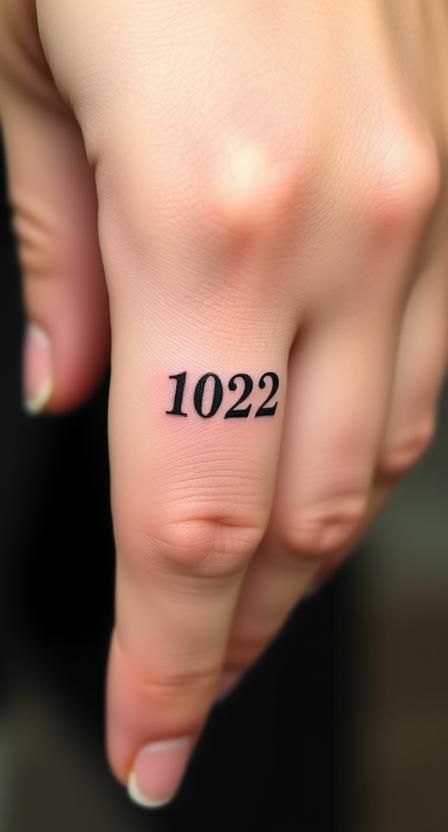
A lucky number tattoo is deeply personal, since luck means something different to everyone. It might come from a birthday, a favorite sports player, or a number that has simply followed someone through major life events.
The symbolism behind a lucky number tattoo is optimism. It acts as a small charm, something to glance at before a big decision or a stressful day.
Bold block numerals or a slightly stylized font both work for this design. Many people place their lucky number on the finger they use most, treating it almost like a good-luck token they carry everywhere.
A lucky number does not need to have an obvious story attached to it. Sometimes the number simply feels right, and that instinct is reason enough to make it permanent.
7. Anniversary Date Tattoo
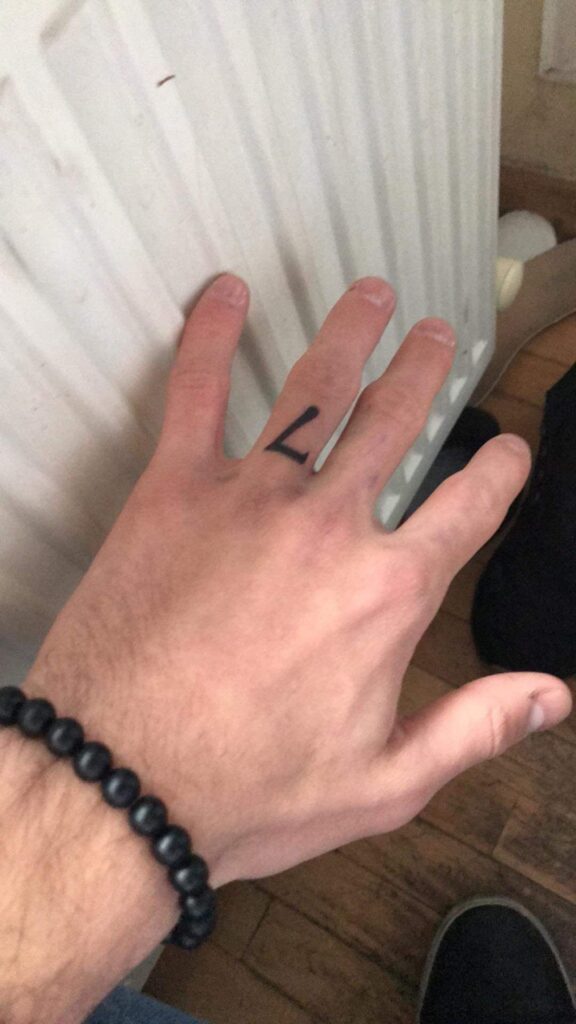
Anniversary date tattoos celebrate a wedding day, an engagement, or any milestone worth remembering permanently. Written as a full date or shortened to day and month, this design keeps a specific memory close at hand, quite literally.
The meaning is tied to commitment and shared history, which is why couples often choose to get matching versions on the same finger. It turns a calendar date into a lasting symbol of a relationship.
For placement, the inside of the ring finger is a favorite spot, especially for couples who want the date to sit close to where a wedding band would go. A slim, uniform font keeps the numbers readable even in tight spacing.
Writing the date with small periods or slashes between the day, month, and year helps separate the numbers visually. Without this spacing, longer dates can look like one long, hard-to-read string of digits.
8. Coordinates with Numbers
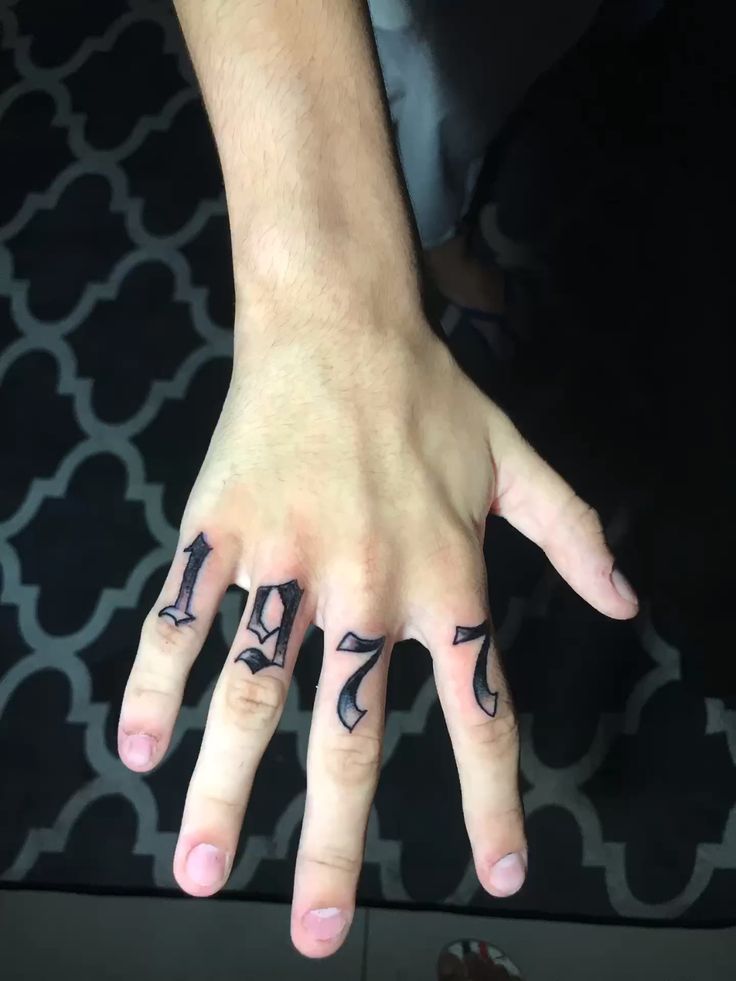
Coordinate tattoos use latitude and longitude numbers to mark a meaningful location, such as a hometown, a place where two people met, or a spot tied to a loved one who has passed. It is a quieter, more private way to hold onto a place.
The symbolism centers on connection to a specific place and time. Because coordinates are made up of several digits, they also work as a longer, more detailed piece for anyone who wants more than a single number on their hand.
Since coordinates involve more characters, they usually wrap around the finger or run down its length in a thin vertical line. Fine linework is essential here to keep the numbers from blurring together as the tattoo ages.
Because coordinates are long, some people split them across two fingers instead of squeezing everything onto one. Latitude on one finger and longitude on the next keeps each string easier to read.
9. Matching Couple Number Tattoos
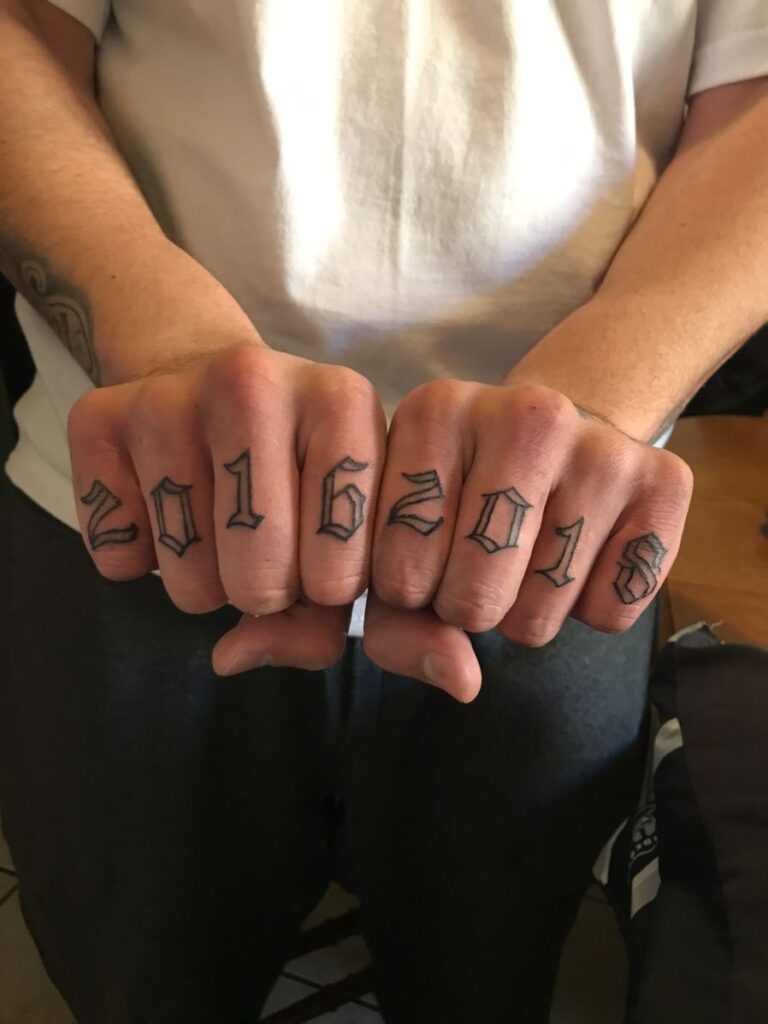
Matching number tattoos are a popular choice for couples, best friends, or siblings who want a shared symbol without matching an entire design. Each person might get half of a date, complementary numbers, or the same digit on the same finger.
The meaning is straightforward: connection and shared history. These tattoos work well because they do not need to be identical to feel meaningful, as long as both numbers relate to the same memory.
For anyone considering this route, choosing the same finger on each person, such as the ring finger or index finger, adds visual consistency when hands are placed side by side.
Some couples split one meaningful number in half, with each person wearing part of it. Only when their hands come together does the full number make sense, which adds a playful layer to the design.
10. Sports Jersey Number Tattoo
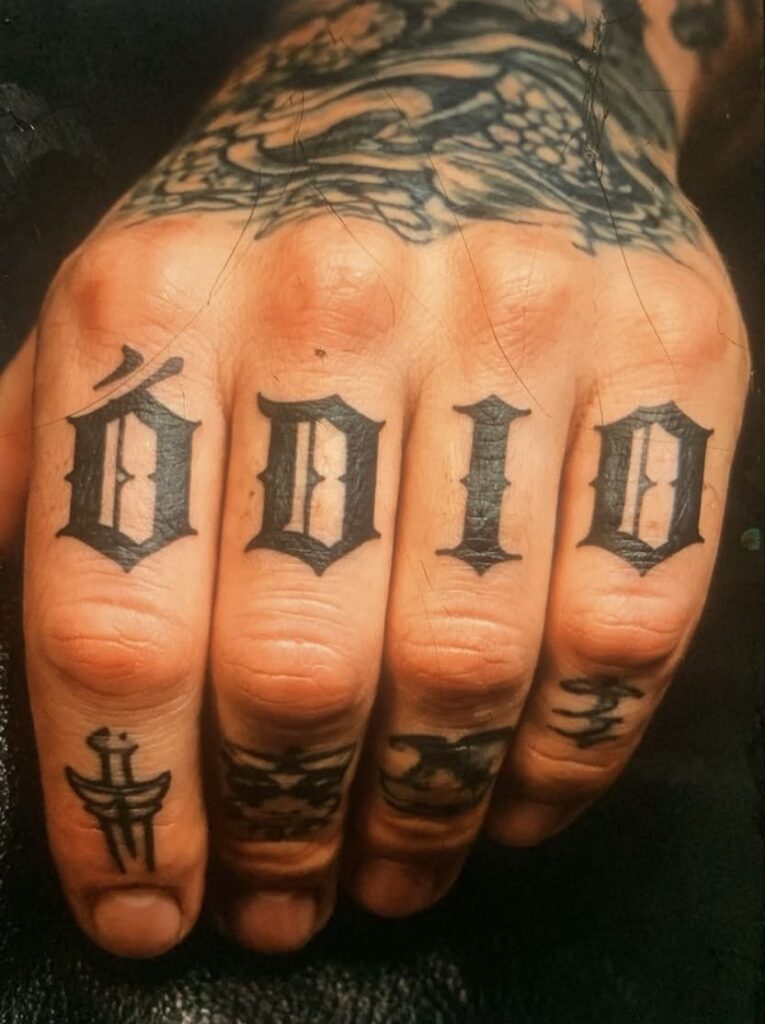
A jersey number tattoo pays tribute to a favorite athlete, a personal playing number, or a team’s legacy. It is especially common among former athletes who want to hold onto their playing days in a small, permanent way.
This tattoo often represents dedication, discipline, and pride in a sport that shaped someone’s identity. For fans, it can also serve as a tribute to a player who inspired them growing up.
Bold, blocky numerals in a sporty font style suit this design best, since it echoes the look of an actual jersey. The middle or index finger, both prominent and easy to show off, are common placement choices.
Adding a tiny outline around the number, similar to how jersey numbers are often edged in a second color, can make the tattoo look more like an actual uniform detail rather than a plain digit.
11. Family Birth Date Tattoo
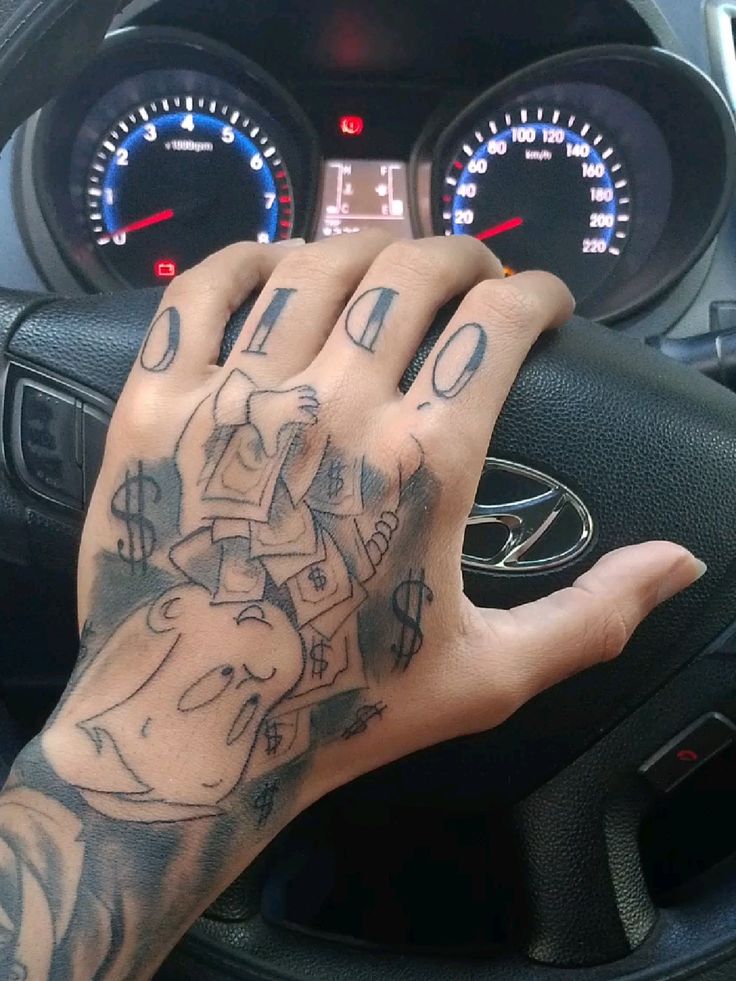
Family birth date tattoos are a way to keep children, parents, or siblings close, even when life gets busy. Each finger can hold a different date, creating a small timeline of the people who matter most.
The meaning behind this design is rooted in family bonds and gratitude. It is one of the more sentimental finger tattoo choices, often getting added to gradually as new family members arrive.
Since this style typically involves multiple dates across several fingers, it pairs naturally with the layered approach described in this guide to hand and finger tattoos, which shows how multiple small tattoos can work together across the hand.
12. Fine Line Number Tattoo
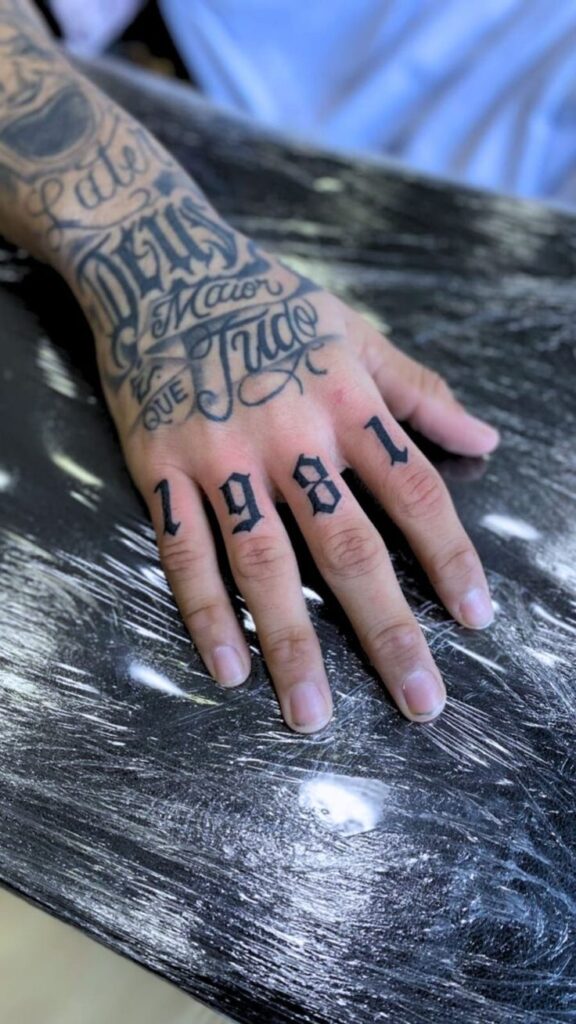
Fine line tattoos have grown popular across almost every tattoo style, and numbers are no exception. This technique uses thin, precise needles to create delicate, almost handwritten-looking digits.
The appeal of fine line work is its understated look. It suits people who want a tattoo that feels more like a whisper than a statement, blending into the hand rather than standing out.
Because the lines are so thin, fine line number tattoos require a skilled, experienced artist to avoid blurring as the skin ages. Regular moisturizing also helps these delicate lines stay sharp for longer.
Fine line work pairs especially well with numbers written in a handwritten or cursive style. It gives the tattoo a personal, journal-like quality that feels less like a stamp and more like a signature.
13. Custom Meaningful Number Tattoo
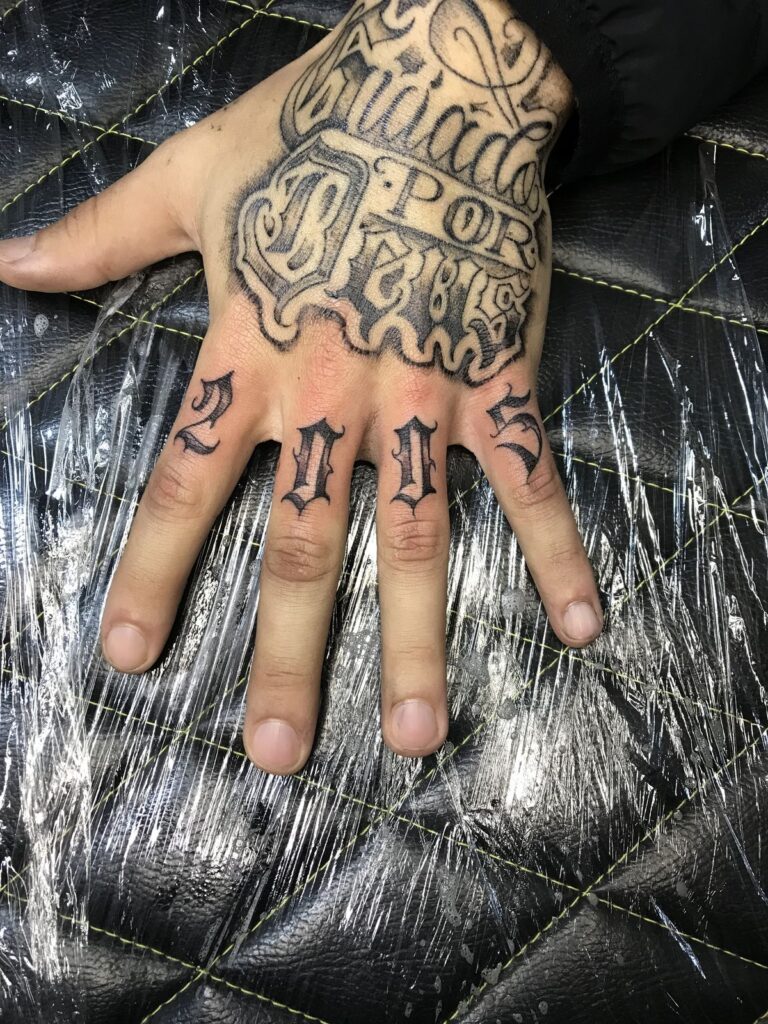
A custom number tattoo is built entirely around personal meaning rather than a common theme. It might combine a birth year with a lucky number, or pair a date with a small symbol that adds extra context.
The strength of a custom design is that it cannot be easily replicated by someone else, since it is built from a personal story. This makes it one of the more thoughtful options on this list.
Working closely with a tattoo artist is key here, since combining numbers, fonts, and small details requires careful planning. A good artist can help balance the design so it still reads clearly on such a small canvas.
A useful starting point is writing down every number that feels significant, then narrowing the list down to the one or two that carry the most weight. This keeps the final design meaningful rather than cluttered.
Tips Before Getting a Finger Number Tattoo
Finger tattoos are stylish, but they come with a few practical considerations that other placements do not. Keeping these tips in mind helps the final result look better and last longer.
Fingers are also one of the more visible spots on the body, which is worth thinking about for anyone in a workplace with a strict dress code. A quick conversation with the artist about placement can help avoid any surprises later on.
Placement Matters
Fingers bend and stretch constantly, so the artist needs to account for how the design will look in motion, not just at rest. Sides and the upper part of the finger tend to hold ink better than the inner palm-facing skin.
It also helps to think about which hand feels more natural for the design. Dominant hands see more friction from daily tasks, so some people choose the non-dominant hand specifically to help the tattoo last longer.
Expect Some Discomfort
Finger skin sits close to bone with very little cushioning, which makes this a more sensitive spot compared to areas like the forearm or shoulder. The pain is usually short-lived given how small most number tattoos are.
Knuckles and the sides near the nail bed tend to feel more sensitive than the flatter part of the finger. Knowing this ahead of time can help set realistic expectations before sitting down for the appointment.
Fading Is Common
Because hands are washed often and exposed to constant friction, finger tattoos tend to fade faster than tattoos on other parts of the body. This is normal and not a sign that something went wrong with the healing process.
Sun exposure speeds up fading as well, since hands are rarely covered during the day. Applying sunscreen over a healed tattoo can help preserve the ink and slow down how quickly it softens over time.
Touch-Ups Are Usually Needed
Most finger tattoos benefit from at least one touch-up within the first year or two. Budgeting for this ahead of time helps keep the design looking crisp rather than letting it fade into an unreadable smudge.
Many artists include a free or discounted touch-up within the first few months as part of the original booking. It is worth asking about this policy before the first session begins.
Choose Numbers With Real Meaning
Since finger tattoos are small and permanent, it helps to pick numbers tied to something genuinely important, rather than a passing trend. A birth date, lucky number, or angel number that holds personal weight tends to age better emotionally than a random choice.
It can help to sit with an idea for a few weeks before booking an appointment. Numbers that still feel meaningful after some time has passed are usually the ones worth making permanent.
Work With an Experienced Artist
Finger tattoos require precision because there is so little space for error. Choosing an artist who has specific experience with fine line or small-scale work makes a noticeable difference in how well the tattoo holds up over time.
Looking through an artist’s past finger tattoo work, rather than just their general portfolio, gives a better sense of how their linework holds up on smaller, curved surfaces.
Final Thoughts
Finger number tattoos prove that meaning does not need much space to make an impact. Whether it is a birth year, an angel number, or a private lucky digit, each of these thirteen ideas offers a way to carry something personal on the hand every single day.
The right choice comes down to what feels true to one’s own story. Anyone ready to commit should take time choosing both the number and the artist, so the finished tattoo reflects their personality, memories, and beliefs for years to come.
A small number, placed thoughtfully, can end up being one of the most meaningful tattoos someone ever gets. It costs less, heals faster, and still holds the same weight as a much larger design, which is exactly why so many people continue to choose it.